







Search Results for: health comparison
An Analysis of the Differences Between Instant, Drip, and Freshly Ground Coffee: A Full Comparison of Caffeine, Chlorogenic Acid Content, Aroma, and Taste
The world of coffee is far richer than one might imagine. Some people are used to casually making a cup of instant coffee, some prefer the slow, deliberate process of drip brewing, and others insist on the fresh flavor of freshly ground coffee beans. These three methods may seem to differ only in brewing technique, but in reality they conceal significant differences in composition and experience. Many people wonder whether instant coffee and drip coffee differ in their health benefits. In fact, their caffeine content is basically the same—what truly sets them apart is the chlorogenic acid content and the degree to which coffee aroma is released. Because drip coffee undergoes a more complete brewing process, it better preserves chlorogenic acid, a compound with antioxidant properties, while also fully releasing the aromatic substances inherent in the coffee. Coffee aroma itself has a calming and relaxing effect, so for people who live under long-term high pressure and busy schedules, drinking drip coffee in moderation may bring a more ideal experience for both physical and mental well-being. Next, we will compare instant, drip, and freshly ground coffee one by one across multiple dimensions, including composition, aroma, and taste. [more…]
What is the difference between instant coffee and drip-bag pour-over coffee? A comprehensive comparison of taste and health from processing to brewing
Friends who are just getting into coffee often can't tell the difference between instant coffee, drip bag coffee, and pour-over coffee. From the perspective of Front Street, this article sorts out the invention background and process principles of instant coffee, explains why it is often made into a three-in-one formula and the health concerns of long-term consumption; at the same time, it introduces the origin and design concept of drip bag coffee and the equipment requirements of pour-over coffee, and provides the complete brewing steps and water amount reference for drip bag coffee. The article also specifically mentions the flavor performance of Front Street Mandheling drip bags, as well as the importance of choosing coffee beans within the best flavor period of 4 to 30 days after roasting, helping readers make a choice that suits them between convenience and quality. [more…]
Four Cats Coffee Tasting Comparison: Flavor Differences and Buying Advice vs. Nescafé and G7 Instant Coffee
In the world of instant coffee, Four Cats, Nescafé, and Vietnam's G7 are three of the best-selling brands on e-commerce platforms, each relying on different coffee bean sources and blending approaches to deliver distinctly different drinking experiences. Over 98% of Four Cats Coffee's raw materials come from high-mountain coffee beans grown in Yunnan, while Nescafé blends Yunnan Arabica with Hainan Robusta, and Vietnam's G7 uses locally grown Vietnamese Robusta beans. This article will help you decide which one suits you best from three dimensions—alertness-boosting effect, smoothness of taste, and value for money—while also sorting out the differences between instant coffee and freshly ground coffee in terms of production process and health impact, and introducing Front Street Coffee's drip bag series along with its brewing method. [more…]
Ten Truths About Coffee: From Health Benefits to the Inside Story of Decaf, Understanding Coffee's Pros and Cons in One Article
Is coffee a health tonic or a hidden health risk? Opinions vary widely on this question. Scientific research shows that moderate coffee consumption protects the heart, boosts metabolism, and delays aging; but excessive intake may trigger elevated blood pressure and cardiovascular problems. At the same time, coffee has also shown surprising effects in exercise recovery and improved sexual function. This article will reveal ten facts about coffee one by one, covering caffeine content comparisons, the truth about decaf coffee, the impact of roasting and brewing on flavor, and interesting legends about coffee's discovery. Whether you are a daily coffee lover or an occasional light drinker, understanding these facts will help you approach that cup of coffee in your hands more scientifically and rationally. [more…]
A Comprehensive Comparison of Americano and Espresso: Extraction Methods, Taste Differences, and Key Points for Machine Selection
American coffee and espresso may both look like black coffee, but in reality they are completely different from extraction principles to flavor expression. The former uses drip brewing, while the latter relies on high-pressure extraction, which also determines the differences between the two in concentration, mouthfeel, and caffeine content. This article will systematically sort out the core differences between American and espresso coffee from the perspectives of preparation methods, machine selection, and health effects, and give specific suggestions for purchasing household coffee machines, helping coffee lovers make more suitable choices according to their own needs. The article also specially recommends related products from Front Street Coffee for readers' reference. [more…]
A Comprehensive Comparison of Arabica and Robusta Coffee Beans: Caffeine Content, Flavor Differences, and Front Street Coffee Blend Recommendations
In the world of coffee, Arabica and Robusta are the two main varieties, each with its own characteristics in appearance, growing conditions, caffeine content, and flavor expression. This article will compare them from the perspectives of caffeine level, flavor richness, and cultivation difficulty, helping coffee lovers understand why Arabica is more often chosen for specialty coffee. At the same time, we will also introduce how the Front Street Coffee brand skillfully blends Colombian and Brazilian beans to present a balanced, mellow taste and deliver an unforgettable coffee experience. Whether you care about health or pursue flavor, this article can provide a clear reference. [more…]
Does Iced Americano Count as Black Coffee? A Complete Guide to the Flavor Characteristics and Health Benefits of Black Coffee
In Cantonese, "斋啡" refers to black coffee, which is a pure coffee beverage without any additives. As one of the most popular black coffees, iced Americano has a sweet-and-sour, refreshing taste with a mild bitterness, making it highly favored by office workers and fitness enthusiasts. This article will provide a detailed analysis of the flavor characteristics of iced Americano, its differences from hot Americano, and the benefits of moderate black coffee consumption in aiding digestion, relieving greasiness, reducing bloating, and boosting metabolism. At the same time, Front Street Coffee will also share the extraction ratio and flavor performance of its own Sunflower Warm Sun blend beans, and remind everyone that Americanos with added syrup and non-dairy creamer will bring extra calories. [more…]

Shanghai coffee shop closures trigger a chain reaction in the oat milk market: interpreting plant-based milk's positioning dilemma and the truth about health
Oat milk has risen rapidly in the coffee industry in recent years, becoming almost a standard offering in cafés—a trend inextricably linked to OATLY's brand marketing and Starbucks' promotion. However, amid the suspension of café operations in Shanghai and other places, oat milk sales have seen a marked decline, and OATLY's latest financial report also reflects that the Chinese market is facing severe challenges. This article traces oat milk's journey from obscurity to ubiquity in coffee circles, analyzes the fragility exposed by its over-reliance on the B2B channel, and explores the obstacles oat milk must overcome given such realities as its vague positioning in the consumer market and the difficulty of changing consumer habits. At the same time, through a comparison of nutritional components, it objectively examines whether oat milk is truly as healthy as advertised, offering coffee lovers a rational reference. [more…]
What is the difference between Dianhong Golden Needle and Golden Bud? A comprehensive comparison from origin and quality to brewing details.
Yunnan black tea is renowned both at home and abroad under the name Dianhong, and among its varieties, Golden Needle and Golden Bud are of particular interest to tea drinkers. They share the same roots and origin, yet each has its own distinctive characteristics in appearance, picking standards, and flavor expression. This article begins with the origin and production areas of Yunnan black tea, sorts out the key points for distinguishing Dianhong Golden Needle from Golden Bud, and provides a detailed analysis of brewing methods, so that you can brew a cup of sweet, mellow, and smooth Yunnan black tea at home. Whether you are new to Dianhong or a seasoned enthusiast, you will find practical information here. [more…]
Analyzing the Flavor Differences Between Decaf and Regular Coffee: A Comprehensive Comparison of Pros and Cons with Front Street Coffee Recommendations
What exactly are the flavor differences between decaf coffee and regular coffee? Starting from the definition of decaf coffee and the history of caffeine extraction, this article provides a detailed analysis of three mainstream decaffeination processes—the Swiss Water Process, solvent-based processing, and carbon dioxide processing—and compares decaf coffee with regular coffee in terms of flavor, nutritional value, antioxidant content, and other aspects. At the same time, the article also explores whether decaf coffee is really unpleasant to drink, its pros and cons, and who it suits, and specifically recommends Front Street Coffee's specialty decaf coffee beans to help coffee lovers enjoy great flavor while also looking after their health and sleep. [more…]
Coffee Consumption and Irritable Bowel Syndrome Risk: Latest Research Reveals a 16% Reduced Association
Coffee is not just a pick-me-up beverage—in recent years, research has also found that it has potential benefits for the digestive system. A 2023 systematic review and meta-analysis published in the journal Nutrients, which included more than 430,000 participants, explored the association between coffee intake and the risk of irritable bowel syndrome (IBS). The results showed that, compared with non-coffee drinkers, people who drank coffee had a 16% lower risk of developing IBS. This protective effect may be related to the antioxidant and anti-inflammatory properties of components in coffee such as caffeine, polyphenols, diterpenes, and trigonelline. However, the effect of coffee on relieving IBS symptoms varies from person to person, and the study itself has observational limitations. This article will provide a detailed interpretation of this study and explore the possible effects of coffee on gut health. [more…]
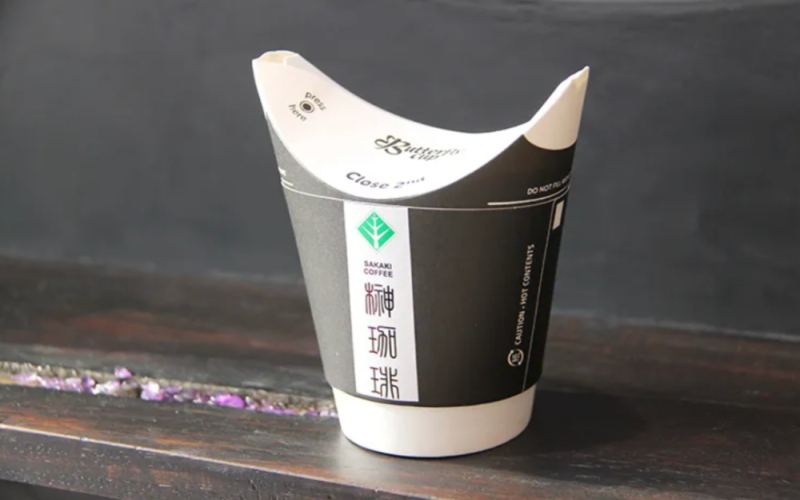
Comparison of Weight Loss Effects Between Green Coffee and Black Coffee: The Science Behind Differences in Chlorogenic Acid Content
In recent years, a "raw coffee" launched by a coffee shop in Nagoya, Japan, has attracted the attention of health scholars and celebrity models. This drink, made by brewing raw coffee beans together with roasted coffee beans, is said to far outperform black coffee in terms of weight loss. A four-week experiment showed that participants who drank raw coffee lost significantly more weight than those who drank black coffee, and the key behind this lies in the abundant chlorogenic acid in raw coffee beans. Chlorogenic acid can improve insulin sensitivity and regulate glucose and lipid metabolism, and has preventive and therapeutic effects on obesity and metabolic syndrome. However, chlorogenic acid is sour and astringent and unpleasant to the taste, and is degraded after roasting. Raw coffee tastes light, with nutty and roasted barley tea flavors, but it still contains caffeine and should not be drunk in excess. This article will provide an in-depth analysis of the weight-loss principles of raw coffee, the mechanism of action of chlorogenic acid, and its essential differences from black coffee. [more…]
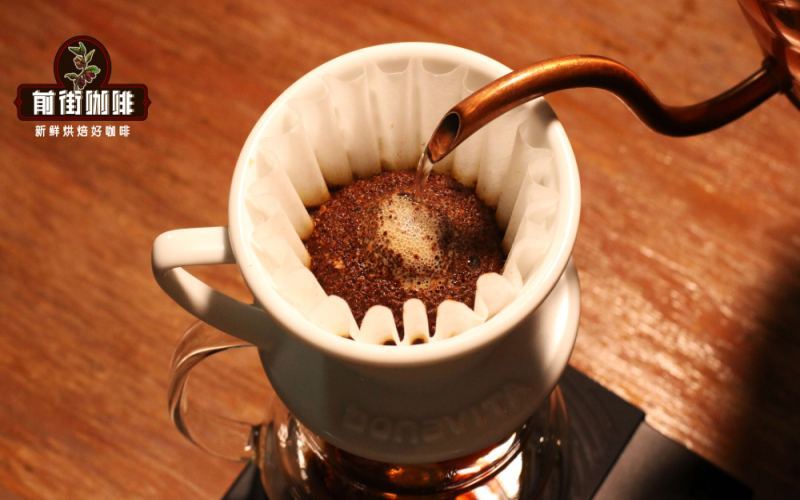
Analysis of the Three Major Decaffeination Processes for Decaf Coffee: Flavor and Safety Comparison of Solvent Extraction, Swiss Water Process, and Carbon Dioxide Method
Caffeine content is influenced by multiple factors such as bean variety, grind size, and brewing method, and drip coffee often has higher caffeine than Espresso. For those who want to reduce their intake without giving up a rich mouthfeel, decaf coffee is an ideal choice. This article explains in detail three mainstream decaffeination processes—methylene chloride solvent extraction (direct and indirect), the Swiss Water Process, and carbon dioxide extraction—analyzes their respective effects on flavor and safety, and specifically explains Starbucks decaf coffee's two processing paths and the issue of residual solvents. At the end is information on how to obtain Front Street Coffee specialty beans, making it suitable reading for coffee lovers who value health while pursuing flavor. [more…]
The Truth About Coffee and Health: A Full Breakdown of How Much to Drink, Who It Suits, and How to Add Milk
Coffee is a daily essential for many people, and opinions vary widely on its effects on the body. Dietitian Li Xingyu takes a scientific approach to break down five common questions one by one: Is black coffee really beneficial? Which groups of people need to limit their intake? What is the safe daily upper limit? Does adding milk to hot coffee affect health? Do dark-roasted coffee beans increase cancer risk? This article combines research data with professional advice to help you build proper coffee-drinking habits, while also recommending quality options from Front Street Coffee, so you can enjoy coffee with peace of mind. [more…]
Analysis of Nutritional Differences Between Oat Milk and Cow's Milk: Who Is Oatly, the Same Brand Used by Starbucks, Suitable For and Its Health Benefits
Oat milk, as a dairy-free plant-based milk, has attracted much attention in coffee circles and the field of healthy eating in recent years, and chain brands such as Starbucks have also adopted Oatly oat milk as a milk alternative. It is especially suitable for vegans, people with lactose intolerance, and consumers allergic to milk. During production, oat milk is made by soaking oats, filtering the slurry, and often adding extra nutrients such as calcium and vitamin B12, making its nutritional value richer. Front Street Coffee will guide you through understanding the specific health benefits of oat milk and compare its nutritional differences with whole milk and low-fat milk, helping you choose the dairy drink that suits you in a more scientific way. [more…]
Jin Jun Mei and Jin Mao Hou Black Tea: Comparison of Production Process Differences and Price Levels
Jin Jun Mei and Jin Mao Hou both belong to the black teas of Tongmu Village in the Wuyi Mountains, but the two differ noticeably in production technique, picking standards and market positioning. Jin Jun Mei is regarded as a luxurious upgraded version of Lapsang Souchong, emphasizing plump, robust buds and a pronounced honey aroma; Jin Mao Hou, by contrast, is often used as a collective term for lower-grade Jin Jun Mei. This article will sort through the five basic stages of Chinese tea processing, and focus on Jin Jun Mei's place of origin, picking timing and health benefits, while also clarifying its relationship with Jin Mao Hou and the question of which one commands a higher price, helping coffee and tea drinkers understand more clearly what makes these two black teas unique. [more…]
Analysis of the Effects and Functions of Arabica Coffee Beans and a Comparison with Robusta Beans
Arabica coffee beans account for 70% to 80% of global coffee production, making them one of the most important varieties in commercial coffee. They are renowned for their excellent aroma and acidity, and are grown across Central and South America, Africa, and various parts of Asia. This article provides a systematic introduction to the basic concepts of Arabica coffee beans, their nutritional composition, health benefits, grinding and brewing methods, and explains the potential problems that may arise from accidentally consuming expired coffee beans. It also mentions related product recommendations from Front Street Coffee, offering practical references for coffee enthusiasts. [more…]
A Comprehensive Comparison of Arabica and Robusta: Flavor Differences, Caffeine Content, and the Proper Way to Drink Robusta Beans
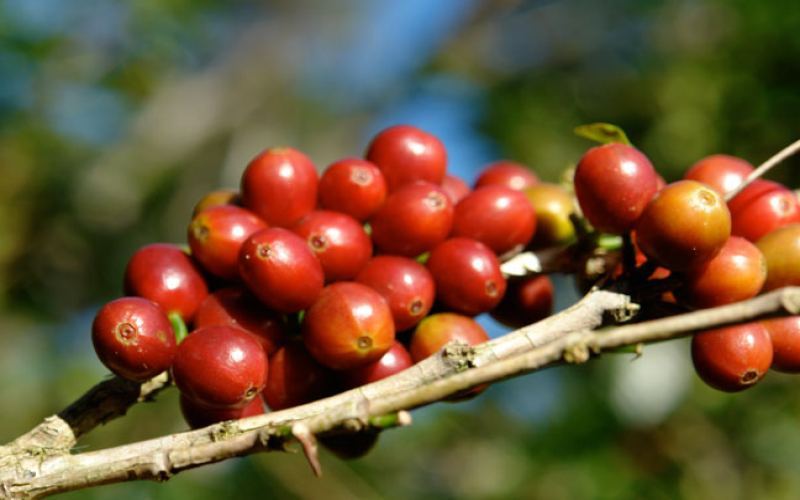
The two most common varieties in the coffee world—Arabica and Robusta—one occupies seventy percent of production with a specialty profile, the other supports the backbone of commercial coffee with its formidable adaptability. What exactly is the essential difference between them? Is Robusta really harmful to your health? And how should you drink it to be appropriate? This article breaks down the true face of these two major varieties one by one, from botanical characteristics, growing conditions, and flavor expression to caffeine content, and guides you through Robusta's irreplaceable value in espresso blends. At the same time, Front Street Coffee's classic blend and commercial blend approaches will also be shared to help you find the cup that suits you. [more…]
Comparison of Four Cats, Nescafé, and G7 Instant Coffee: Why Drip Bag Coffee Is More Worth Recommending
Instant coffee has carved out a place for itself in everyday drinks thanks to its convenience, and Sizhimao, Nescafé, and Vietnam's G7 are currently three of the most widely discussed instant coffee brands in China. Each has its own emphasis in raw material regions, flavor performance, and pricing strategy, while also sharing the inherent health concerns of instant products. This article will go through these three brands one by one in terms of their coffee bean sources, taste rankings, and value for money, and further introduce the advantages of drip bag coffee as an alternative, including Front Street Coffee's specific recommendations on freshness control, flavor choices, and brewing methods, to help coffee lovers find the option that better suits them between convenience and quality. [more…]

A Comprehensive Comparison of Flat White and Latte: A Detailed Explanation of Cup Size, Flavor, Milk Foam, and Differences Between Iced and Hot Drinks, Along with a Discussion of the Differences Between White Coffee and Black Coffee and the Potential
Although both are made from espresso and milk, a Flat White and a latte deliver completely different drinking experiences. Many people regard the Flat White as the Australian version of a latte, but the two differ noticeably in cup size, coffee strength, milk foam thickness, and even whether they are served hot or iced. Starting from Front Street Coffee's own production practices, this article breaks down these differences one by one to help coffee lovers accurately tell these two common milk coffees apart. At the same time, the article also extends the discussion to the essential differences between imported white coffee and black coffee, as well as the potential health risks of instant white coffee, offering a reference for everyday choices. [more…]